Oregon Lien Releases: How to Cancel a Lien in OR (2026 Guide)
by Lori Shaffer

Quick Summary: How to File an Oregon Lien Release
To clear a recorded Oregon construction lien from the property record after the claim has been resolved, the lien claimant typically records a signed satisfaction or release document with the county recording office where the original claim was recorded. Before signing, confirm that payment has fully cleared and that the document correctly identifies the original lien and property.
- Step 1 – Prepare the satisfaction or release document: Identify the original recorded lien by recording number, recording date, claimant, owner, and property legal description. Oregon does not have a mandatory statutory form.
- Step 2 – Sign in recordable form: Use the signature and acknowledgment format required by the county recording office.
- Step 3 – Record where the lien was recorded: Submit the completed document to the county recording office that holds the original claim, then retain the recorded copy.
Note: Filing promptly after the claim is resolved helps clear title and close out the project. A lien claimant should not sign or record a release until payment has fully cleared or the parties have otherwise agreed in writing to resolve the claim. Read our full guide below. Reviewed for accuracy by lien specialists. Updated August 2026.
What is an Oregon Lien Release?
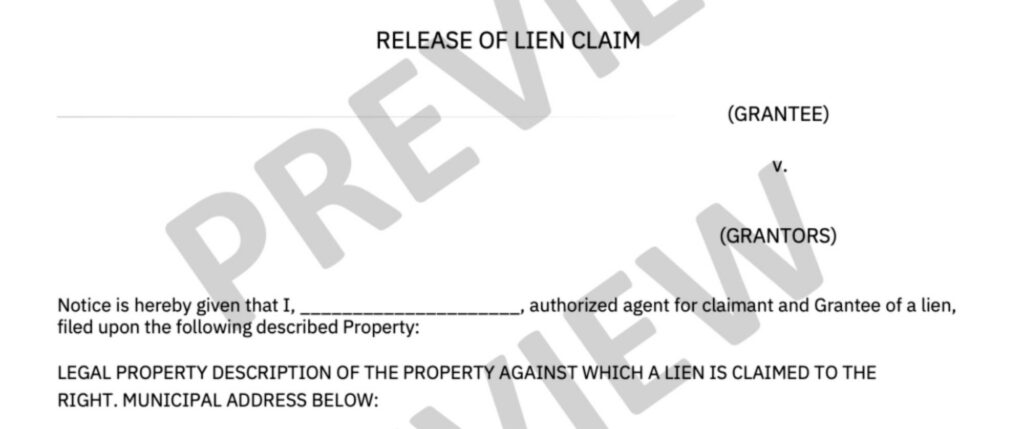
An Oregon lien release, often called a satisfaction of lien, is a recordable document used to show that a previously recorded construction lien has been resolved and should no longer cloud the property title. It is generally recorded in the county where the original lien was recorded. A contractor, subcontractor, supplier, or other lien claimant may use this document after receiving payment or reaching another written resolution of the lien claim.
3 Steps: How to File a Satisfaction of Lien
1. Draft the Document
Oregon does not provide a mandatory statutory format. However, using a verified Oregon construction lien form template helps ensure that all necessary details — such as the original recording number, property description, and party names — are accurately included.
2. Notarize the Signature
County recording offices generally require a notary public to verify the signature on an Oregon construction lien form before accepting it for official recording.
3. Record the Paperwork
The completed final lien release or satisfaction of lien document must be submitted to the county recorder’s office in the same county where the original claim was filed.
When to File an Oregon Lien Release (Deadlines)
Oregon statutes generally require a claimant to file a satisfaction document within 30 days of receiving full compensation.
WARNING: Do Not File Before Payment Clears
Wait to file a lien cancellation until your final compensation has fully cleared your bank. A recorded release permanently removes your claim against the property, stripping away your primary leverage to collect what you are owed. If you cancel a claim too early, your likelihood of getting paid decreases significantly.
Lien Waiver vs. Lien Release: What is the Difference?
A lien waiver and a lien release solve different problems. A lien waiver is an agreement in which a claimant waives some or all lien rights for specified work or payment. A lien release or satisfaction of lien addresses a construction lien that has already been recorded against the property.
| Feature | Lien Waiver | Lien Release (Satisfaction of Lien) |
|---|---|---|
| When is it used? | Before or during payment processing | After receiving full and final compensation |
| Purpose | Gives up the right to file a future claim | Cancels a claim that is already recorded |
| Where does it go? | Kept between the contractor, owner, and lender | Filed publicly at the county recorder’s office |
What Information is Required for a Mechanics Lien Release in Oregon?
While Oregon does not mandate a specific statutory form, your release document generally must contain exact project, party, and payment details to be valid under state statutes. Because the state does not provide a standardized Oregon construction lien form for cancellations, using a verified template is the best way to ensure the county recorder accepts your document.
To properly clear the property title, your release document typically needs to include:
- Property Details: The physical address where the construction took place and the legal tax information for the property.
- Party Information: The full names and current contact information for both the property owner and the lien claimant.
- Original Lien Data: The reference information from the original recorded claim, including the exact filing date and the county case or recording number.
- Type of Release: A clear statement indicating whether you are issuing a full or a partial release.
- Payment Status: A declaration that the client has satisfied the debt, including the exact amount they paid.
- Remaining Balance: If you are filing a partial release, you must clearly indicate the remaining balance your client still owes for the project.
- Alternative Reasons: If you are canceling the claim for any reason other than receiving partial or full payment, you must state that specific reason.
Why File an Oregon Lien Release?
Filing a satisfaction of lien is a critical final step because it formally clears the property’s public record. Contractors generally must file this release within 30 days of receiving full compensation to avoid penalties.
There are three main reasons you must file an Oregon lien release:
- To Clear the Property Title: An active claim creates a “cloud” on the title, preventing the owner from easily selling or refinancing the property. Filing a release officially removes this encumbrance.
- To Avoid Financial Penalties: If you refuse or forget to file the release after your invoice is paid, you could be held liable for actual damages incurred by the property owner.
- To Restore Lender Priority: If a bank or lender financed the project, your construction claim may have taken priority over their trust deed. Releasing your claim restores the lender’s original priority status.
Why Trust Northwest Lien Service
Northwest Lien has been helping contractors, subcontractors, and industry professionals protect their payment since 1999. We’ve collected over $250 million for our clients through mechanics and construction liens, notices, and other lien services through the years.
“Northwest Lien has been a fantastic company to work with. They have a great online submission platform that is very user friendly and makes processing forms very easy. If I ever need advice or extra help their staff has been fantastic!”
Kelsey P., Yelp Reviewer
FAQs: Oregon Lien Releases
Can I file a lien release electronically?
Yes, most Oregon counties now accept electronic recording (e-recording) for satisfaction documents, which is significantly faster than mailing paper forms. However, county e-recording portals are generally restricted to approved, authorized submitters rather than the general public.
- If you want to file it yourself, you will typically need to mail the notarized paper document or deliver it in person to the specific county recorder’s office.
- If you want it filed electronically for faster processing, you must use an approved third-party vendor who is already integrated with the county’s e-recording network.
What happens if I forget to file the lien release after being paid?
If you fail to record a Satisfaction of Lien within the required 30 days of receiving full compensation, you could face financial consequences. Oregon statutes allow the property owner to recover actual damages incurred because their property title remained clouded. It is critical to clear the public record promptly to avoid these penalties and fully close out the project.
Do construction liens expire in Oregon?
Yes, an unreleased claim typically expires 120 days after it is recorded unless the contractor initiates a formal lawsuit (known as a foreclosure suit). If the 120-day deadline passes without legal action, the claim generally becomes unenforceable. However, the property owner may still request a formal release document to completely clear the expired claim from the county’s public title records.
Helpful Resources
- Oregon Construction Lien Checklist
- Oregon Mechanics Lien: Forms, Deadlines & Filing FAQs
- Oregon Lien Law: Summary and Guide
Glossary: Definition of Terms
Satisfaction of Lien
A Satisfaction of Lien is the most technically accurate and preferred term used by Oregon county recording offices. It officially declares that the underlying construction debt has been satisfied, removing the active claim from the public record.
Lien Release
A lien release is the everyday industry shorthand used by contractors and suppliers to describe the act of releasing the property from the encumbrance after receiving final compensation.
Lien Cancelation
A lien cancellation is simply the plain-English description of what the document achieves: canceling the active claim against the property.
Certificate of Full Payment of Claims of Liens
A Certificate of Full Payment of Claims of Liens is a highly descriptive title, often generated by national software templates, to leave no ambiguity about why the lien is being removed. It serves the exact same function as a standard satisfaction document.
Disclaimer: This article is for informational purposes only and does not constitute legal advice. Mechanics lien laws are complex and vary by jurisdiction. For specific legal guidance regarding your situation, please consult with a qualified local attorney.